
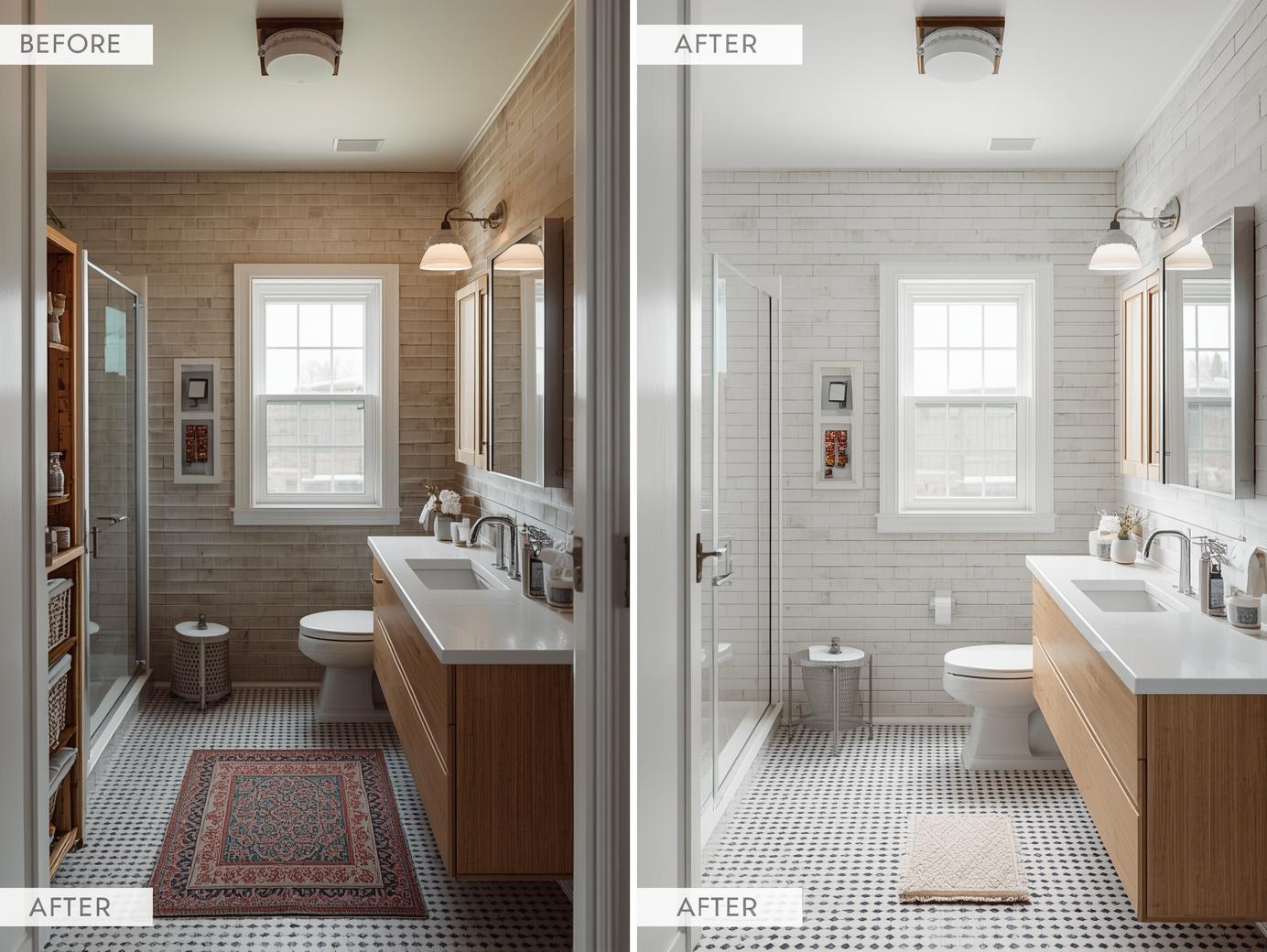
10 Expert Tips for Bathroom Renovations That Save Time & Money
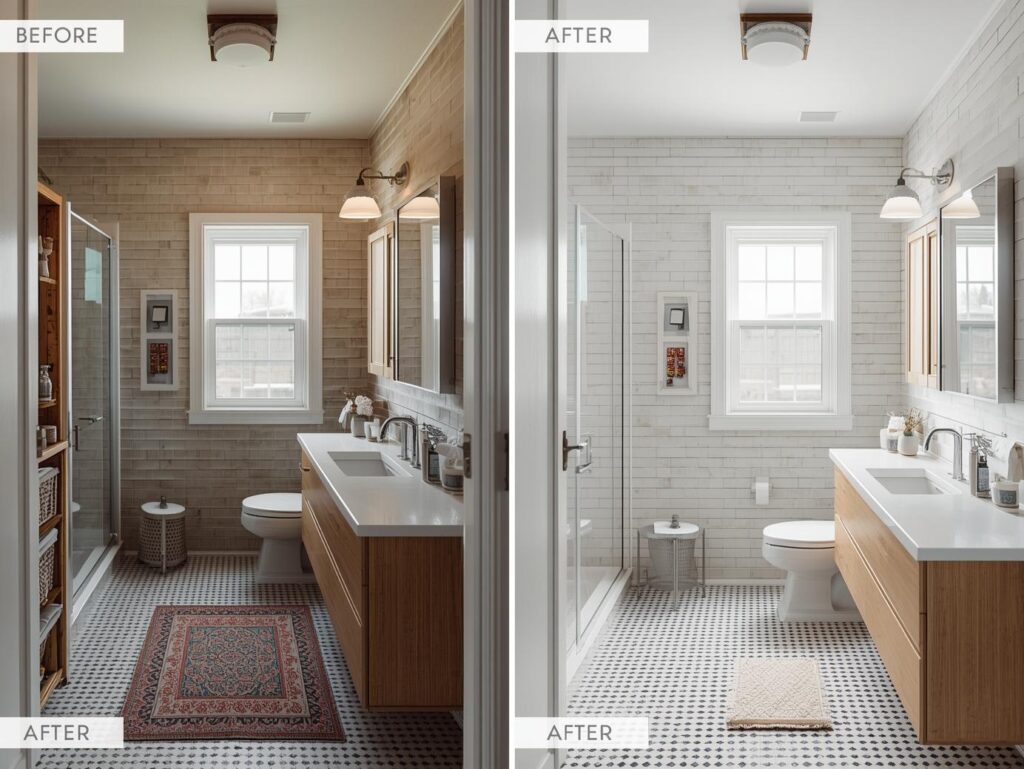
Overview
Before you dive into bathroom renovations, there are key details that can make or break your project. From layout planning to choosing durable materials, this guide covers the ten most important things to know before you start. Drawing from real renovation experience, I’ll help you save time, avoid costly mistakes, and design a bathroom that truly fits your lifestyle.
Introduction
A few years ago, I decided to remodel my outdated bathroom. What started as a simple “weekend refresh” quickly spiraled into a three-week renovation marathon — and a few lessons learned the hard way.
If you’re thinking about starting your own bathroom renovation, I’ve been there — staring at tile samples, debating fixtures, and second-guessing budgets. The truth is, bathroom renovations are exciting but can also be overwhelming without a clear plan.
That’s why I’ve compiled these 10 expert-backed tips to help you navigate every stage of the process. Whether you’re hiring a contractor or going DIY, this list will keep your project smooth, stylish, and on budget.
1. Define Your Bathroom’s Purpose and Use
Before you start picking tiles, ask yourself: What will this space really be used for?
Is it a master ensuite, a family bathroom, or a guest washroom?
Each serves a different purpose — and requires different layouts, lighting, and materials. For instance, a family bathroom needs more storage and durable finishes, while a guest bathroom can focus on aesthetics.
2. Set a Realistic Budget (and Add 15% for Surprises)
One of the biggest mistakes homeowners make is underestimating costs.
On average, bathroom renovations can range from $7,000–$20,000, depending on size and materials.
Create a detailed budget that includes:
- Fixtures and fittings
- Labor costs
- Plumbing and electrical upgrades
- Unexpected repairs
3. Choose Quality Fixtures and Fittings
Your bathroom fixtures — taps, showerheads, and toilets — face daily wear and tear. Investing in quality brands will save you repairs later.
Look for products with solid warranties and water-saving certifications. Sites like reno-bath.com offer comprehensive reviews of bathroom fixtures that balance style with durability.
4. Don’t Overlook Plumbing and Electrical Work
Even the most beautiful tilework can’t save a bathroom with poor plumbing or lighting.
Before demolition, have a licensed plumber and electrician inspect your setup.
Check for:
- Leaks or corrosion in old pipes
- Faulty wiring or outdated switches
- GFCI outlets near water sources
If you’re relocating major fixtures like toilets or sinks, factor in additional plumbing costs early in your budget.
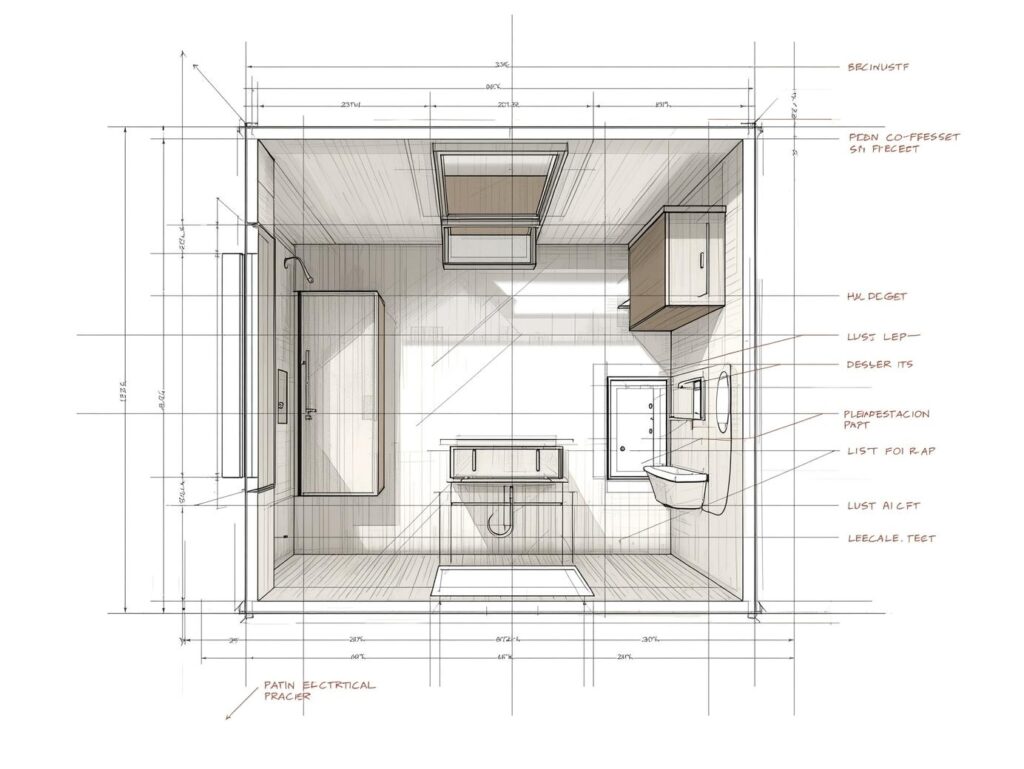
5. Plan Your Layout and Lighting
Lighting makes or breaks a bathroom. Combine ambient, task, and accent lighting for a balanced look.
- Use LED strips under mirrors or cabinets for modern flair.
- Opt for moisture-resistant ceiling lights.
- Add dimmers for nighttime relaxation.
I personally use the Philips Hue Smart Lighting System to customize light temperature and brightness — it’s a game-changer for setting the mood.
6. Pick Easy-to-Maintain Materials
Bathrooms deal with humidity and water exposure daily. Choose materials that resist mold and are easy to clean.
- Porcelain tiles over natural stone for floors
- Quartz instead of marble for countertops
- Grout with mold-resistant additives
Small choices like these will save you countless cleaning hours and long-term repair costs.

7. Storage Isn’t Optional
If you think you’ll “make do” without much storage — think again.
From towels to toiletries, a functional bathroom needs clever storage solutions.
Consider:
- Floating vanities for extra floor space
- Recessed wall shelves in the shower
- Over-toilet cabinets for compact bathrooms
8. Think About Ventilation and Moisture Control
A poorly ventilated bathroom leads to mold, peeling paint, and odors.
Always install a high-quality exhaust fan — ideally with a humidity sensor.
💡 Pro Tip: Keep the fan running for at least 20 minutes after each shower to clear moisture effectively.
9. Factor in Accessibility and Future Needs
Even if you don’t need it now, consider universal design elements like grab bars, slip-resistant flooring, and wider doorways.
These simple choices can extend your bathroom’s usability for years to come.
10. Hire Professionals You Can Trust
DIY is rewarding, but some tasks need certified experts. Always verify credentials, read reviews, and ask for references before hiring.
A trustworthy contractor will:
- Provide transparent quotes
- Offer a timeline and milestones
- Keep you updated throughout the process
You can find verified renovation experts on reno-bath.com — a reliable resource for vetted professionals.
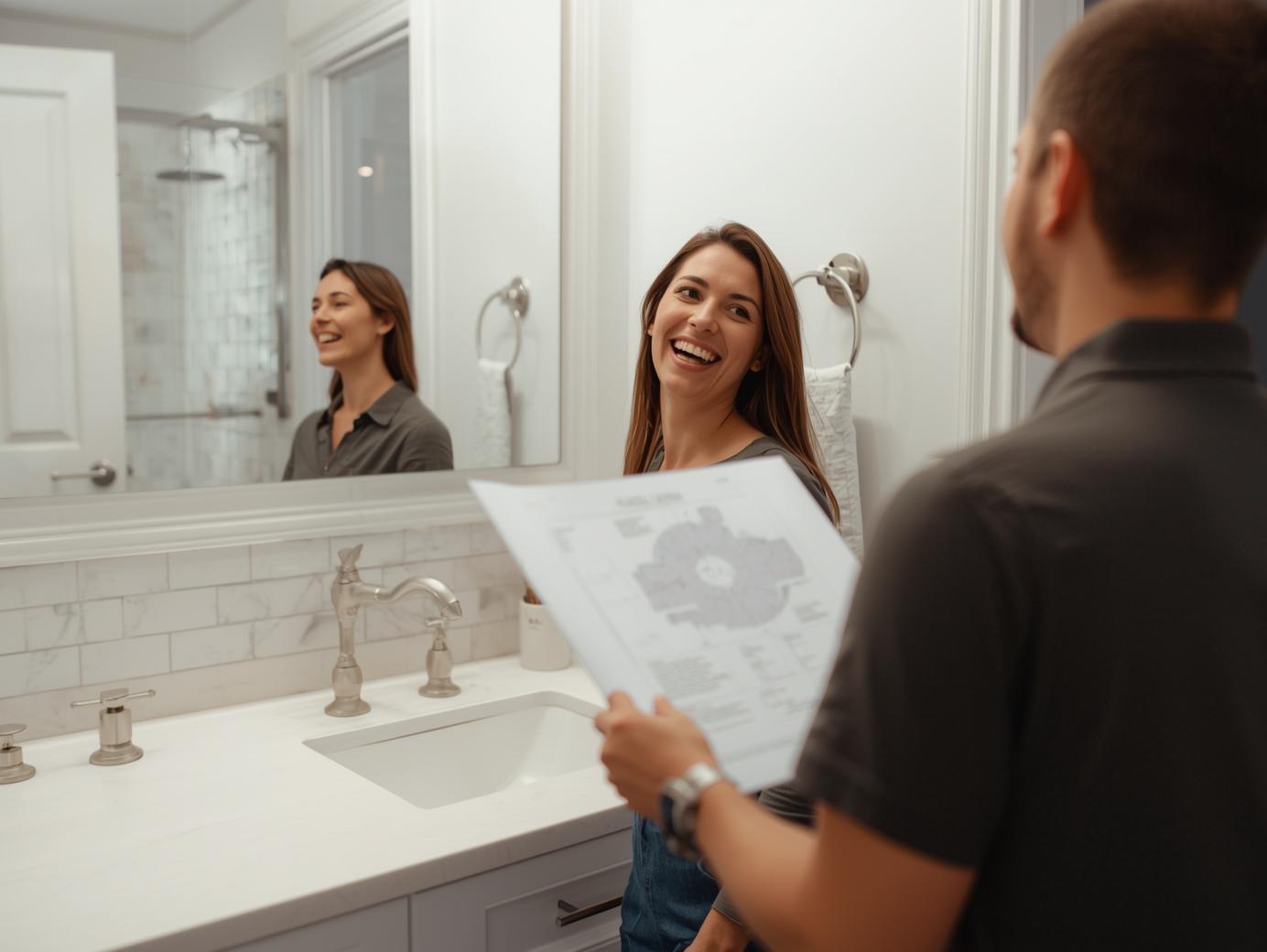
Conclusion
A bathroom renovation is one of the most rewarding upgrades you can make — both for comfort and resale value.
By planning ahead, investing in quality materials, and working with trusted experts, you’ll create a space that looks beautiful and functions flawlessly for years to come.
Remember: good renovations aren’t rushed. They’re built on thoughtful decisions and professional guidance.
Once you’ve nailed down your renovation plan, you’ll love my follow-up post on Smart Bathroom Storage Ideas for Small Spaces — it’s full of clever, space-saving designs that fit any bathroom style.